
Furnace Repair: Quick Answer
Furnace repair begins with diagnosing an active heating fault, such as no heat, cold airflow, repeated shutdowns or an ignition error. SkyLimit Heating & Gas repairs gas furnaces across Metro Vancouver and the Fraser Valley. Share the symptom and furnace model when you call 778-892-5119 to discuss an assessment.
Recent furnace jobs
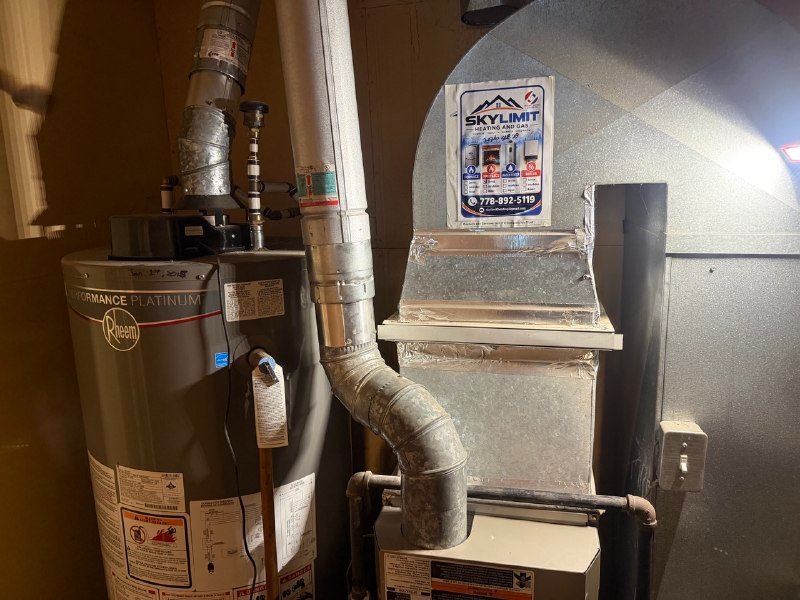
Surrey
Water heater and gas furnace: service, cleaning and safety inspection
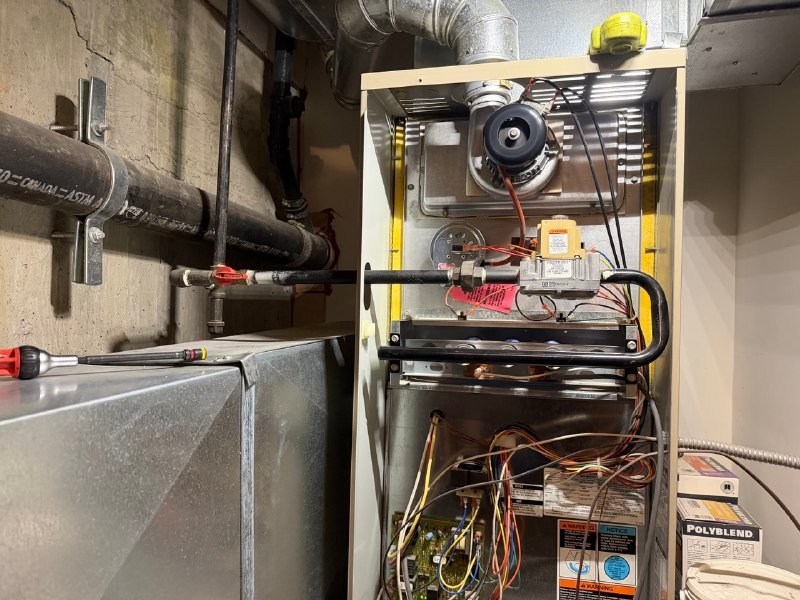
Vancouver · East Side
Mid-efficiency gas furnace: full cleaning
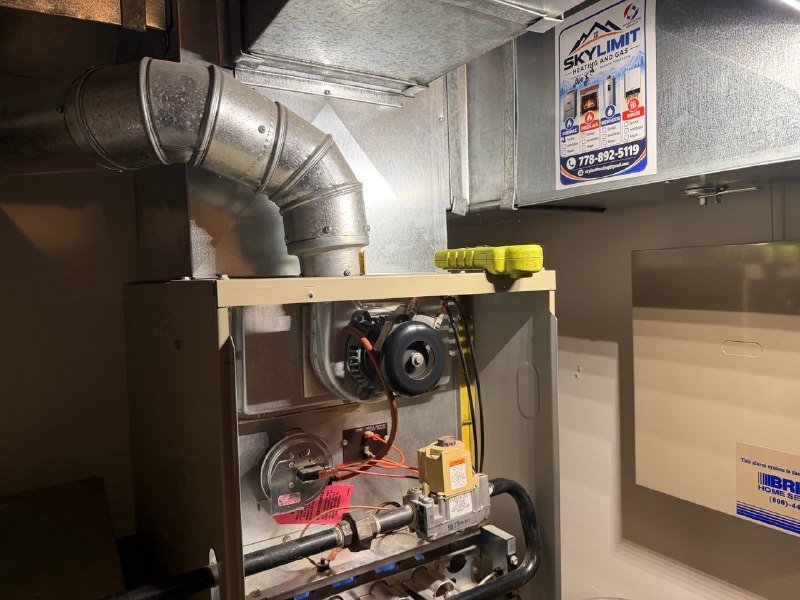
Vancouver · Killarney
Mid-efficiency gas furnace: maintenance, cleaning and new filter
Safety inspection included.
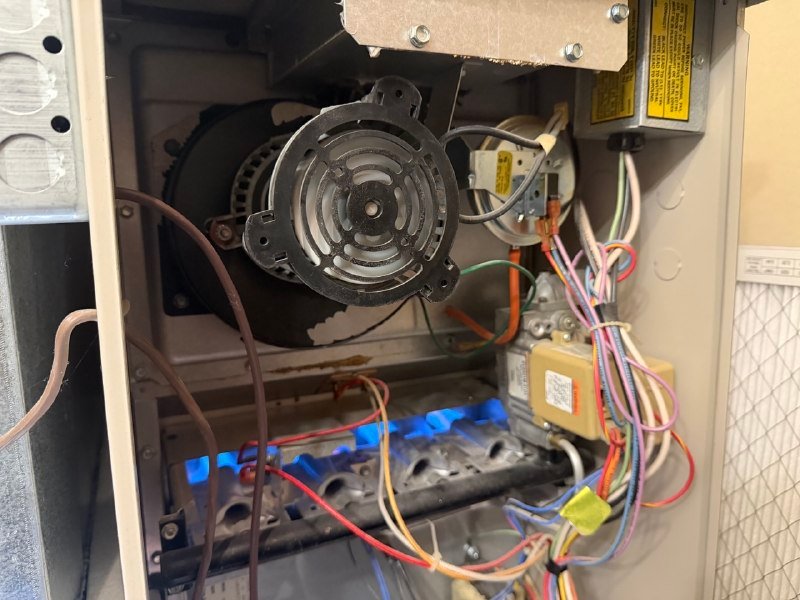
Port Coquitlam
Mid-efficiency furnace: maintenance and safety inspection
No gas leak and no CO leak found.
Call-out and diagnosis: SkyLimit lists a $169 service call, with parts extra. The final repair scope and price depend on the findings. A service-call fee is not a complete repair quote.
If you smell gas, go outside first and call the FortisBC emergency line at 1-800-663-9911 or 911. Follow FortisBC’s gas-odour guidance; do not wait for a website reply.
Furnace won’t turn on, keeps shutting off, or blowing cold air?
A gas furnace checks operating conditions as it starts and heats the home. Diagnosis follows the sequence for the installed model and identifies where it is interrupted. The findings guide the repair and any operating checks needed afterward.
SkyLimit Heating & Gas is a licensed gas contractor (TSBC LGA0207425) repairing furnaces across Greater Vancouver and the Fraser Valley. We repair forced-air gas furnaces, high-efficiency condensing models, and older systems still common in BC homes. Service call $169 (call-out and diagnosis, parts extra). Call 778-892-5119, Monday to Saturday, 9 AM to 9 PM, or email skylimitheating@gmail.com.
1-year parts and labour guarantee. If a part we supplied or our repair fails within a year, we come back and fix it at no charge. Parts supplied by the customer are not covered.
“Our furnace stopped working… David is knowledgeable, friendly, competent and efficient.” Nicky Johnson, Google review
We don’t run a 24-hour line. We answer Monday to Saturday, 9 AM to 9 PM, and usually call back within 5 minutes. Call 778-892-5119
Not ready to call? Text a photo of the label and the problem to 778-892-5119, and David will tell you what it looks like before you book.
What is it doing? Check in 30 seconds
Pick the symptom. You get the likely causes, one safe thing to check yourself, and how urgent it is.
Smell gas? Leave the house first, then call FortisBC at 1-800-663-9911 or 911 from outside.
If your furnace is still running but performance is declining, your best first step may be Furnace Service (tune-up + safety checks). If the unit is aging out or repair costs are climbing, you may want to compare options on Furnace Installation.
On this page
- When a Furnace Problem Is Urgent
- Most Common Furnace Problems
- What to Do If Your Furnace Stops Working
- Our Diagnostic Process (Step-by-Step)
- Key Furnace Parts That Commonly Fail (How They Work + Failure Signs)
- Safety Inspection After Repair: Gas Leak Test + CO / Combustion Checks
- Furnace Types We Repair
- Repair vs Service vs Replacement (Decision Table)
- Furnace Brands We Repair (With Useful Notes)
- Areas We Cover (Greater Vancouver + Fraser Valley)
- Why Homeowners Call SkyLimit
- Repair Costs, Estimates, and Honest Expectations
- FAQ – Furnace Repair
When a Furnace Problem Is Urgent
Some furnace issues can wait. Others should not. If you have no heat during cold weather, repeated lockouts, a gas smell, or symptoms that suggest unsafe combustion, treat it as urgent. The most urgent calls we get are a furnace that won’t light, one that starts and shuts off over and over, or one that runs but gives almost no heat.
- No heat / won’t start: the furnace attempts ignition and fails, or doesn’t start at all.
- Short cycling: the furnace turns on briefly, shuts off, and repeats (often overheating limits or airflow restrictions).
- Gas smell: leave the house, then call FortisBC at 1-800-663-9911 or 911 from outside. Don’t switch anything on or off.
- Burning electrical smell: shut down and do not keep running the unit.
- Unusual “boom” at ignition: can be delayed ignition and needs inspection.
For no heat or repeated lockouts, call 778-892-5119. We answer Monday to Saturday, 9 AM to 9 PM, and can tell you whether it can wait until morning.
Most Common Furnace Problems
Here is what each common symptom usually points to.
Furnace not turning on
This can be as simple as thermostat settings, power loss, or a tripped safety switch. It can also be an ignition failure, pressure switch issue, or a control board lockout. Proper diagnosis is the difference between a quick fix and a repeat problem.
Furnace blowing cold air
Cold air usually means the burner is not staying lit, the system is failing to ignite, or the blower is running without heat due to control settings or safety lockouts. We verify ignition sequence, flame confirmation, and blower timing.
Furnace keeps shutting off (short cycling)
Short cycling often involves overheating (dirty filter, restricted ducts, failing blower), a limit switch tripping, or a sensor reading out of range. This condition increases energy use and accelerates wear on ignition and electrical components.
Clicking / popping / humming noises
Some ticking is normal as metal expands, but repeated clicking at start-up can indicate ignition retries, weak flame sensing, or control board attempts. Humming can indicate motor strain or electrical issues that need inspection.
Error codes or lockouts
Modern furnaces store diagnostic codes that guide the repair process. We read fault history and confirm the root cause under real operating conditions. Clearing codes without fixing the cause is how you get the same failure again.
What to Do If Your Furnace Stops Working
When a furnace fails, homeowners often try random resets. That can waste time and sometimes makes diagnosis harder. Here’s a safe, practical approach that protects your home and helps your repair visit go faster.
- Check thermostat settings: confirm it’s set to HEAT and temperature is above room temp.
- Check power: confirm the furnace switch is ON and the breaker isn’t tripped.
- Check the filter: a completely blocked filter can overheat the furnace and cause shutdowns.
- Do not repeatedly reset: repeated ignition attempts can stress components.
- If you smell gas: leave the house now. From outside, call FortisBC at 1-800-663-9911 or 911. Don’t switch the furnace, lights or anything else on or off.
If the issue persists, book professional Furnace Repair. Call 778-892-5119.
Our Diagnostic Process (Step-by-Step)
We confirm what failed, why it failed, and what else may have been affected. This is how we prevent repeat breakdowns and avoid unnecessary part replacement.
1) Start-up sequence observation (real-time testing)
We watch the ignition cycle from thermostat call to burner ignition, flame stabilization, and blower ramp-up. This catches delayed ignition, unstable flame, weak flame signal, or safety chain interruptions.
2) Safety circuit and sensor verification
A furnace has multiple safety checks (pressure switch, limit switch, roll-out switch, flame sensing). We test these properly to confirm whether the furnace is shutting down for a real safety reason or due to a failing sensor or airflow problem.
3) Gas supply and valve operation
We verify gas delivery, valve response, and stable burner operation. Fuel delivery and combustion stability must be correct for both performance and safety. If adjustments are required, we explain what’s changing and why.
4) Airflow assessment (filters, blower, return air, ducts)
Airflow is a top cause of overheating, short cycling, and poor comfort. We evaluate filtration, blower performance, and signs of return-air restriction. If ductwork or airflow balancing is needed, we document it clearly so you can decide.
5) Electrical and control diagnostics
We check wiring connections, grounding, and control board behavior. Loose terminals, damaged wiring, or failing boards can cause intermittent shutdowns that look “random” until you test properly under load.
6) Confirmation testing after repair
Repair is not complete when the furnace “turns on.” We run operational cycles to confirm stable ignition, safe shutdown behavior, consistent airflow, and safe combustion conditions.
Key Furnace Parts That Commonly Fail (How They Work + Failure Signs)
Below are the parts that most often show up in real-world repairs. The goal here is to help you understand what’s happening inside your furnace, what symptoms each part creates, and how proper diagnosis confirms the failure.
Ignitor (Hot Surface Ignitor)
The ignitor heats up to ignite the gas at start-up. When it weakens or cracks, you’ll see no ignition, delayed ignition, or repeated attempts. We test ignitor resistance and observe ignition behavior under real conditions.
Flame sensor
The flame sensor confirms the burner is lit. If it’s dirty or failing, the furnace may light briefly and then shut off (a classic symptom). Cleaning can help, but we also confirm whether the sensor is drifting out of range.
Gas valve
The gas valve controls fuel delivery. A failing valve can cause no ignition, weak flame, or unstable operation. We verify the control signal, valve response, and combustion stability rather than guessing.
Control board
The board manages timing and safety logic. When boards fail, you may see random lockouts, inconsistent behavior, or repeated error codes. We confirm power quality, connections, and fault history before recommending replacement.
Inducer motor
The inducer pulls exhaust through the vent and proves draft for safe operation. If it fails or struggles, the pressure switch may not close and the furnace won’t ignite. We verify inducer performance and draft-related conditions.
Pressure switch
This switch confirms proper venting draft. Vent restrictions, condensate issues (on high-efficiency systems), or a failing pressure switch can prevent ignition. We test the full draft path instead of swapping the switch blindly.
Blower motor
The blower moves heated air through your home. If airflow drops due to blower issues, the furnace can overheat and shut down. Symptoms include weak airflow, overheating limits tripping, or noisy operation.
Limit switch / roll-out switch
These safety switches shut the furnace down if temperatures exceed safe ranges. If a limit trips repeatedly, the root cause is often airflow restriction or overheating. We treat repeated limit trips seriously and identify the cause.
Heat exchanger (inspection-focused)
The heat exchanger separates combustion gases from indoor air. If there are safety concerns, we explain what we observed, what testing is appropriate, and the correct next step. Safety comes first, always.
Safety Inspection After Repair: Gas Leak Test + CO / Combustion Checks
Professional repair includes confirming safe operation. A furnace can run and still be unsafe if combustion or venting conditions are wrong. This is why safety verification is part of the repair process, not an optional upgrade.
Gas leak test
We test accessible gas connections and verify the system is sealed under operating conditions. Even small leaks matter because they can worsen over time and create indoor air risks.
Carbon monoxide (CO) risk checks
CO is dangerous because it’s invisible and odorless. We review venting integrity, draft stability, and combustion conditions that contribute to CO risk. We also recommend properly installed CO alarms as an added layer of safety.
Combustion stability and venting verification
We verify flame stability, ignition timing, safe cycling, and venting performance. If venting issues are discovered, we explain what’s wrong and why it matters before the furnace is relied on again.
For homeowners who want official safety references, Technical Safety BC provides guidance on gas safety and regulation in BC:
Technical Safety BC.
Furnace Types We Repair
Homes across BC have a mix of older and newer forced-air systems. We repair a wide range of furnace types, and diagnosis changes depending on the ignition platform and efficiency design.
- Single-stage furnaces: straightforward operation, but airflow and sensor condition still matter for stable cycles.
- Two-stage furnaces: improved comfort and efficiency, with more control logic that must be diagnosed correctly.
- Variable-speed / modulating systems: high comfort and quiet performance, but require accurate diagnostics for sensors and control behavior.
- High-efficiency condensing furnaces: require careful venting and condensate management; small issues can cause repeated lockouts if ignored.
Repair or replace? Check in 30 seconds
A rule of thumb based on age, breakdowns and price. It isn’t a diagnosis, but it tells you what to ask before you spend money.
Smell gas? Leave the house first, then call FortisBC at 1-800-663-9911 or 911 from outside.
Repair vs Service vs Replacement (Decision Table)
Before approving work, use our furnace repair cost checklist to clarify the diagnosis, parts, labour and exclusions. If replacement is also being considered, use the separate furnace repair or replace worksheet to compare both complete proposals.
A clear decision framework helps homeowners avoid wasting money. Service is preventive. Repair fixes an active fault. Replacement is for major safety concerns or when repair costs stop making sense.
| Situation | Best Option | Why |
|---|---|---|
| Runs, but comfort is declining or system is overdue for inspection | Service | Tune-up + safety checks often restore stability and efficiency |
| No heat, ignition failure, repeated shutdowns, error codes | Repair | Active fault needs diagnosis and targeted fix |
| Repeated major repairs with rising costs | Replacement Evaluation | Long-term reliability and cost control may be better with a new system |
| Safety concerns that require further evaluation | Professional assessment | Safety-first decisions are based on proper inspection and testing |
Furnace Brands We Repair (With Useful Notes)
We work on most major furnace brands commonly used in British Columbia. Brand matters because ignition platforms, sensor logic, control boards, and parts availability vary by manufacturer.
- Lennox: Advanced controls; accurate sensor and ignition diagnostics prevent repeat lockouts and comfort issues.
- Trane: Common in BC; ignition stability and airflow tuning make a major difference in performance and noise.
- American Standard: Similar platform family to Trane; safety chain diagnosis must be done carefully under load.
- Carrier: Widely installed; we focus on flame sensing stability, inducer/pressure switch behavior, and consistent cycling performance.
- Bryant: Similar to Carrier systems; burner condition and airflow restrictions are common triggers for short cycling and comfort complaints.
- Goodman: Popular across many homes; proper diagnostics for ignitors, sensors, and airflow helps prevent recurring shutdown patterns.
- Amana: Often shares components with Goodman; stable ignition and correct airflow keep these systems reliable through the season.
- Rheem: Straightforward designs; gas delivery verification and safe temperature rise checks help maintain stable, efficient heat output.
- Ruud: Similar to Rheem; we verify safe cycling, sensor stability, and venting conditions that affect reliability.
- York: Common in many homes; careful diagnosis of ignition retries and draft/venting behavior helps avoid nuisance lockouts.
- Daikin: Correct setup and control behavior matter for comfort, quiet operation, and consistent heating.
- Heil / Tempstar / Comfortmaker: Frequently installed; we focus on ignition chain reliability and airflow issues that cause overheating trips.
Areas We Cover (Greater Vancouver + Fraser Valley)
We repair furnaces across Greater Vancouver and the Fraser Valley. City pages:
- Furnace Repair Vancouver
- Furnace Repair Burnaby
- Furnace Repair Coquitlam
- Furnace Repair Surrey
- Furnace Repair Langley
- Furnace Repair Maple Ridge
- Furnace Repair Delta
Why Homeowners Call SkyLimit
SkyLimit is owner-operated. David, a licensed gas fitter, answers the phone, diagnoses the furnace and does the repair. Every repair has a 1-year parts and labour guarantee on parts we supply, and we hold 4.9★ on Google from 196 reviews.
Licensed and safety-focused
Every repair ends with a gas leak test and a check of the flame, venting and cycling. You’re told what was tested and what we found.
Diagnosis before parts
We confirm what failed, why it failed, and whether anything else is contributing to the problem. This approach saves money by avoiding unnecessary part swaps and reduces repeat service calls.
Real-world experience in BC homes
BC homes range from older duct systems to modern high-efficiency setups. We understand the common failure patterns in both, including airflow restrictions, venting challenges, condensate issues, and sensor-related shutdowns.
Clear communication and honest options
You get a practical explanation of the problem, what’s required to fix it, and whether repair makes sense long-term. If replacement is a smarter move, we’ll explain why and point you to Furnace Installation without pressure.
For customers exploring efficiency upgrades and programs, FortisBC is a useful resource:
FortisBC.
Repair Costs, Estimates, and Honest Expectations
The service call is $169 (call-out and diagnosis, parts extra). The repair price depends on the exact fault, equipment type, access, and whether the system is currently locking out. You get that price before any work starts.
During diagnosis, we identify the root cause and outline the repair plan. If parts are needed, we explain the options and what changes with each option. If a system is near end-of-life or has repeated major issues, we explain the economics of repair vs replacement so you can decide with confidence.
FAQ – Furnace Repair
Why is my furnace not turning on?
Common causes include thermostat issues, power problems, a tripped safety switch, ignition failure, or draft/pressure switch problems. A structured diagnostic check identifies the exact point where the start-up sequence fails.
Why does my furnace turn on then shut off?
Flame sensing, restricted airflow, venting, controls or a safety response may be involved. Testing the operating sequence helps identify the cause; the symptom alone does not establish which part needs replacing.
Is it safe to keep running a furnace that smells odd?
If you smell gas, leave the building first. From outside, call FortisBC at 1-800-663-9911 or 911. Do not wait for a website reply. For other persistent or burning odours, stop using the equipment and arrange an assessment before operating it again.
Can a dirty filter really cause breakdowns?
A clogged filter can restrict airflow and contribute to overheating, limit trips or short cycling. Follow the filter instructions for your equipment. If a shutdown continues, arrange diagnosis instead of assuming that a filter change has corrected the fault.
Do you perform safety checks after repair?
Operating checks should address the diagnosed fault and completed repair, including relevant gas, combustion or venting concerns. Ask the technician to explain the findings and any conditions that need attention before the furnace is returned to use.
How do I know if I should repair or replace my furnace?
Compare the repair findings, costs, parts availability and condition of the system with a replacement proposal. We explain the options so you can decide using the information relevant to your home.
Need professional Furnace Repair? Call 778-892-5119 or email skylimitheating@gmail.com.
Find Furnace Repair in Your City
- Furnace repair in Vancouver
- Furnace repair in Burnaby
- Furnace repair in Port Coquitlam
- Furnace repair in Richmond
- Furnace repair in Coquitlam
- Furnace repair in North Vancouver
- Furnace repair in West Vancouver
- Furnace repair in Surrey
- Furnace repair in New Westminster
- Furnace repair in Delta
- Furnace repair in Tsawwassen
- Furnace repair in Langley
- Furnace repair in Ladner
- Furnace repair in Maple Ridge
- Furnace repair in Abbotsford
- Furnace repair in Port Moody
- Furnace repair in Pitt Meadows
- Furnace repair in White Rock
- Furnace repair in Mission
- Furnace repair in Anmore
Compare service options, brands and local coverage in our gas furnace services directory.
Service information published by SkyLimit Heating & Gas. Content updated . Confirm availability and the scope for your equipment when booking.